Bangladesh's ex-PM Sheikh Hasina says she plans to return on 16 December
Hasina has spoken several times of her desire to return, but this is the first time she has set a date.
Noticia publicada originalmente por BBC News — World en bbc.co.uk (se abre en una pestaña nueva). Minuto 24 no es autor de este contenido.
Claves de la noticia
- La exprimera ministra de Bangladés, Sheikh Hasina, anunció que planea regresar al país el 16 de diciembre, más de dos años después de ser derrocada por un levantamiento popular.
- Hasina vive exiliada en Delhi desde agosto de 2024 y pidió al gobierno bangladesí que organice su vuelo de regreso a Dhaka, aunque no está claro cómo lo hará.
- El estado ministro de Asuntos Exteriores, Humayun Kabir, afirmó que volverá esposada y acusó a Hasina y a Delhi de alentar la inestabilidad, lo que ella niega.
- Un tribunal bangladesí la condenó a muerte en ausencia por crímenes contra la humanidad, en relación con la represión de las protestas estudiantiles; Hasina rechaza esos cargos.
- La fecha elegida coincide con el Día de la Victoria, que conmemora el fin de la guerra de independencia de 1971 contra Pakistán.
Contexto
Sheikh Hasina gobernó Bangladés durante quince años hasta que las protestas de 2024 la obligaron a huir. Las manifestaciones comenzaron como una protesta de estudiantes contra el sistema de cuotas en empleos públicos y se convirtieron en un levantamiento masivo. La Awami League, su partido, fue prohibida de la actividad política y no pudo competir en las elecciones de febrero, que ganó el Partido Nacionalista de Bangladés (BNP). La relación con India, que apoyó a Hasina durante su mandato, también se ha deteriorado, y Delhi se encuentra ante la solicitud de extradición de Dacca. Por ello, el anuncio de su regreso puede tener efectos sobre la estabilidad interna y las relaciones entre ambos países.
Resumen elaborado por Minuto 24 con ayuda de inteligencia artificial a partir de la noticia publicada por BBC News — World. Puede contener imprecisiones: ante cualquier duda, consulta la fuente original.
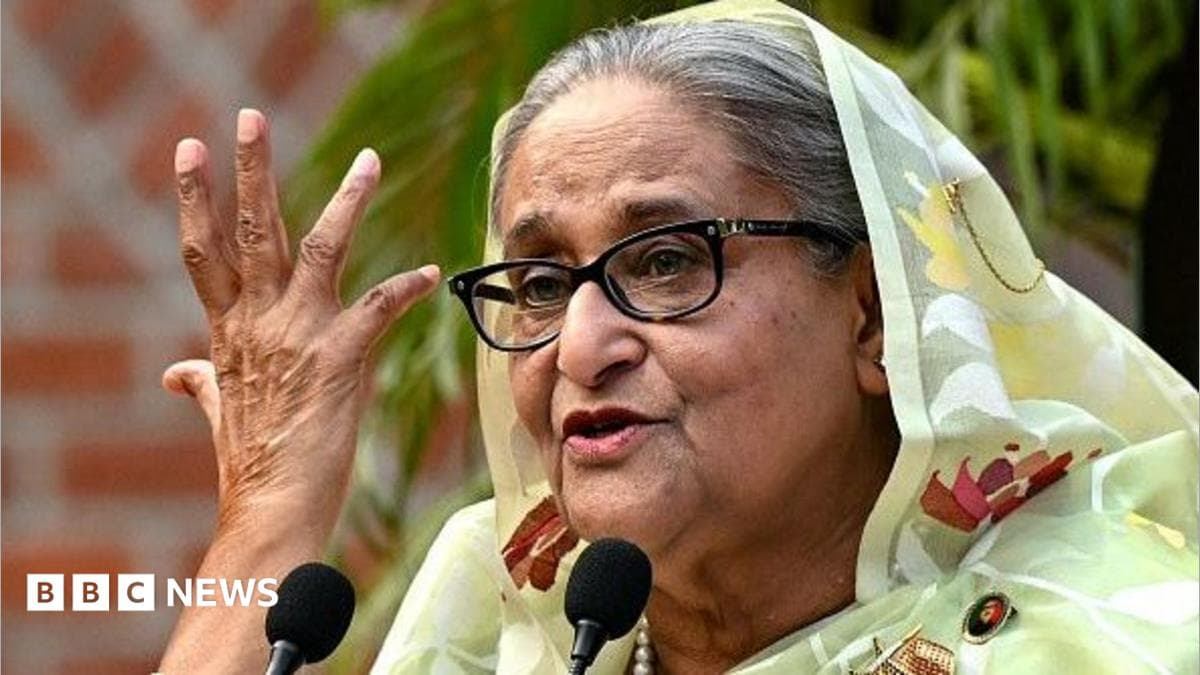
Bangladesh's former prime minister Sheikh Hasina has said she plans to return home on 16 December, more than two years after a popular uprising forced her from power.
Hasina, who has lived in exile in Delhi since August 2024, has asked the Bangladeshi government to fly her back to Dhaka, her spokesperson said.
The announcement comes amid renewed unrest in Bangladesh, where supporters of her Awami League party have staged protests despite a ban on its activities.
But it's unclear how Hasina will return. Last year, a Bangladeshi court sentenced her to death in absentia for crimes against humanity over a deadly crackdown on student-led protests that ended her 15-year rule. She denies the charges.
Bangladesh's state minister for foreign affairs Humayun Kabir dismissed the prospect of Hasina returning on her own terms.
"Sheikh Hasina will not be able to return to the country as an ordinary commercial passenger; she will be brought back in handcuffs," he told a press briefing on Tuesday.
Kabir also accused Hasina and Delhi of fomenting recent unrest in Bangladesh, alleging that they were backing "terrorist activities" in the country.
India's foreign ministry did not immediately respond to a request for comment. In April, the ministry said it was examining Bangladesh's request to extradite her and that it wanted to "engage constructively with the new government and further strengthen bilateral ties".
Hasina fled to India on 5 August 2024 as tens of thousands of protesters descended on Dhaka, and crowds stormed her official residence.
What began as student protests against quotas in government jobs turned into a mass uprising against her government following a deadly crackdown on demonstrators. The UN estimates that up to 1,400 people were killed during the unrest.
On Tuesday, Hasina's spokesperson Syed Mozammel Ali accused Bangladeshi authorities of forcing her into exile in violation of the country's constitution.
"Since Sheikh Hasina was flown to India on a Bangladesh aircraft on 5 August 2024, she now calls upon the government to arrange for her air transport from Delhi back to Dhaka," he said in a statement.
The choice of date is significant. Bangladesh celebrates Victory Day on 16 December, marking the end of its 1971 war of independence from Pakistan. Hasina's father, Sheikh Mujibur Rahman, led the country's independence movement.
Abu Obaidha Arin, an aide to Hasina, described her decision as "deeply symbolic". "We firmly believe that she will celebrate this historic day among her people," he said, expressing confidence that she would once again lead Bangladesh.
Hasina's announcement - and Dhaka's sharp response to it - come at a time when the ousted leader is seeking to reassert her political relevance from exile.
The Awami League was banned from political activities in May last year under the interim government led by Nobel Peace Prize laureate Muhammad Yunus, which took charge after Hasina's ouster.
The party was subsequently barred from contesting February's general election, which brought its long-time rival, the Bangladesh Nationalist Party (BNP), to power, with Tarique Rahman becoming prime minister.
But the ban has not put an end to street protests by Awami League supporters, who have also called for nationwide shutdowns demanding Hasina's return.
Hasina, meanwhile, has repeatedly spoken of her desire to return to Bangladesh, even as she has acknowledged the risks of doing so.
"I know that they may put me in jail or they may kill me, anything may happen, but still I have to go back," she told a gathering of journalists in Delhi over an audio link in August, on the second anniversary of her ouster.
Hasina's continued political activities from Indian soil have also complicated Delhi's efforts to rebuild ties with Dhaka.
India enjoyed close relations with Hasina during her 15 years in power and had hoped that the election of a new government in Bangladesh would offer an opportunity to reset ties, which deteriorated sharply after her ouster.
But nine months after taking office, Rahman is yet to visit India despite an invitation. He has travelled to China, Japan and Malaysia, and skipped the BRICS summit hosted by India in September.
Discussions over a possible visit in August coincided with anger in Dhaka over Hasina's remarks to journalists in Delhi.
The two countries have since resumed talks about a visit, but no dates have been announced.