German spies handed new powers to tackle 'hybrid threats' from abroad
German reforms mean foreign and domestic intelligence services will have greater powers to combat espionage, terrorism and sabotage.
Noticia publicada originalmente por BBC News — World en bbc.co.uk (se abre en una pestaña nueva). Minuto 24 no es autor de este contenido.
Claves de la noticia
- El Bundestag aprobó una amplia reforma que da más poderes a los servicios de inteligencia exterior (BND) e interior (BfV) de Alemania para combatir espionaje, terrorismo y sabotaje.
- La ley fue aprobada con 309 votos a favor, 190 en contra y 71 abstenciones.
- El BND podrá realizar operaciones encubiertas en el extranjero, incluido el sabotaje, como paralizar servidores de grupos de hackers respaldados por Estados.
- La BfV podrá tomar medidas de protección contra propiedades y sistemas informáticos, y entrar en viviendas de forma encubierta bajo ciertas condiciones previa autorización.
- El ministro del Interior, Alexander Dobrindt, defiende la reforma como necesaria ante las amenazas híbridas, mientras la diputada de La Izquierda Clara Bünger la critica por crear una especie de policía secreta.
Contexto
Alemania, como otros países europeos, ha reforzado en los últimos años su respuesta frente a las amenazas híbridas, término que agrupa acciones como el espionaje, la desinformación y el sabotaje que se sitúan entre la guerra abierta y la paz. El Gobierno atribuye el aumento de estas amenazas sobre todo a Rusia, China e Irán. La reforma es relevante porque cambia el papel tradicional de los servicios de inteligencia alemanes, que hasta ahora se centraban en recopilar información y no en actuar. Por su historia, marcada por el régimen nazi, la separación entre policía y servicios secretos tiene un fuerte peso político y social, y los críticos temen que se erosione. El debate refleja la tensión entre seguridad nacional y control democrático.
Resumen elaborado por Minuto 24 con ayuda de inteligencia artificial a partir de la noticia publicada por BBC News — World. Puede contener imprecisiones: ante cualquier duda, consulta la fuente original.
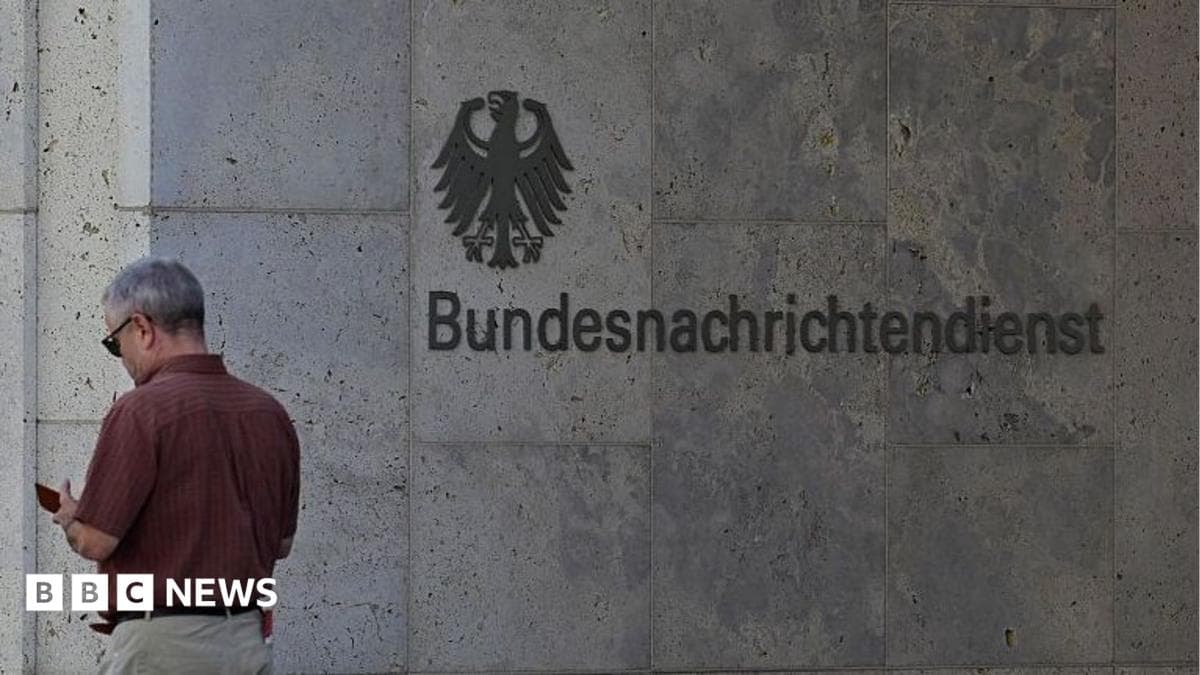
Germany's foreign and domestic intelligence services are to be given greater powers to combat espionage, terrorism and sabotage after the country's parliament, the Bundestag, approved a major overhaul of its legislation.
Interior Minister Alexander Dobrindt, who championed the bill, has called it a "reform of the century", necessary because of the increasing threats from foreign powers.
But the Left Party's security spokeswoman, Clara Bünger, said Dobrindt was creating a new German secret police.
The legislation gives numerous new powers to Germany's BND federal intelligence service, and its BfV domestic service, the Federal Office for the Protection of the Constitution.
In the Bundestag, 309 MPs voted in favour of the new law on intelligence services, while 190 voted against and 71 abstained.
For historical reasons, German intelligence has mainly focused on gathering information rather than acting on it.
In future, German spies working for the BND, which is responsible for foreign intelligence, will be able to conduct covert operations abroad, including sabotage.
This could include paralysing the servers of state-sponsored hacker groups, disrupting disinformation networks, or even disrupting supply chains for weapons.
Agents for the domestic intelligence service, the BfV, will no longer to be limited to gathering information. For the first time they will be able to take protective action against property and IT systems, if specific threats are identified.
That means they will be allowed to dismantle or break explosives or weapons, divert or block data flows during cyber-attacks, delete or falsify data stored for malicious purposes, and plant false information on those involved.
Germany target of 'intensive' espionage, Merz says after suspected Russian spy arrest
Sabotage suspect held in Germany after spate of attacks on power grid
Germany says Russia behind Leipzig airport drone attack
Under certain conditions, BfV agents will also be permitted to enter homes covertly. However, the measure must always be authorised in advance.
They will also be given wider powers of digital surveillance, including monitoring encrypted telecommunications and carrying out online searches. They will also be allowed to use AI-supported data analysis and biometric image matching on the internet.
The government says the reform is needed because of an increase in foreign espionage, particularly from Russia, China and Iran.
"We are the target of hybrid threats," said Dobrindt. "Germany is a theatre of operations for terrorism, extremism and foreign powers."
In August, a drone carrying an explosive device was discovered at Leipzig Airport, close to Ukrainian cargo planes. However, it failed to explode as the bomb's detonator was apparently faulty.
German authorities say Russia was behind the attack.
The new law has been bitterly criticised by some opposition politicians, even though Dobrindt has said it is "madness" to think it means that Germany is creating a new secret police.
And Clara Bünger from the Left Party told public broadcaster ARD that the new law was "a monster… summoning ghosts that we will probably never be able to get rid of".
The separation between the police and the secret service, she warned, was "being eroded" - and Bünger said that had been a lesson learned from the Nazi era.
"This means the secret service is being granted executive powers and will not only be allowed to act pre-emptively, but will also be granted police powers."
However, Sonja Eichwede of the centre-left SPD, which is part of Germany's governing coalition, said the reforms would make a significant contribution to ensuring the country's democracy was "robust and resilient".