Iranian authorities flog singer who performed without hijab, lawyers say
Parastoo Ahmadi, three musicians and a producer were reportedly given 74 lashes in Qom.
Noticia publicada originalmente por BBC News — World en bbc.co.uk (se abre en una pestaña nueva). Minuto 24 no es autor de este contenido.
Claves de la noticia
- La cantante iraní Parastoo Ahmadi y cuatro miembros de su equipo musical y de producción fueron azotados en la ciudad de Qom tras ser condenados.
- Cada uno recibió 74 latigazos, según informaron sus abogados a la BBC, que cita a un miembro de la defensa.
- Ahmadi fue condenada por ofender la decencia pública al publicar material considerado obsceno e indecente, algo que ella había negado.
- Un tribunal de apelaciones de Qom rechazó el recurso a finales de septiembre y confirmó la sentencia.
- Los abogados afirman que intentaron aplazar la ejecución de la pena, pero las autoridades insistieron en aplicarla de inmediato.
Contexto
Las leyes iraníes exigen que las mujeres cubran su cabello con el hiyab y que vistan ropa holgada y modesta, y restringen las actuaciones públicas de mujeres. El caso se enmarca en el movimiento de protestas que sacudió el país en 2022, tras la muerte bajo custodia de Mahsa Amini, detenida por la policía de la moral por presunto uso indebido del velo. Desde entonces, muchas mujeres han dejado de cubrirse el cabello en público como forma de desafío, y las autoridades han respondido con arrestos y otras medidas. Organizaciones de derechos humanos consideran que los azotes constituyen un castigo cruel y degradante, contrario a la prohibición internacional de la tortura.
Resumen elaborado por Minuto 24 con ayuda de inteligencia artificial a partir de la noticia publicada por BBC News — World. Puede contener imprecisiones: ante cualquier duda, consulta la fuente original.
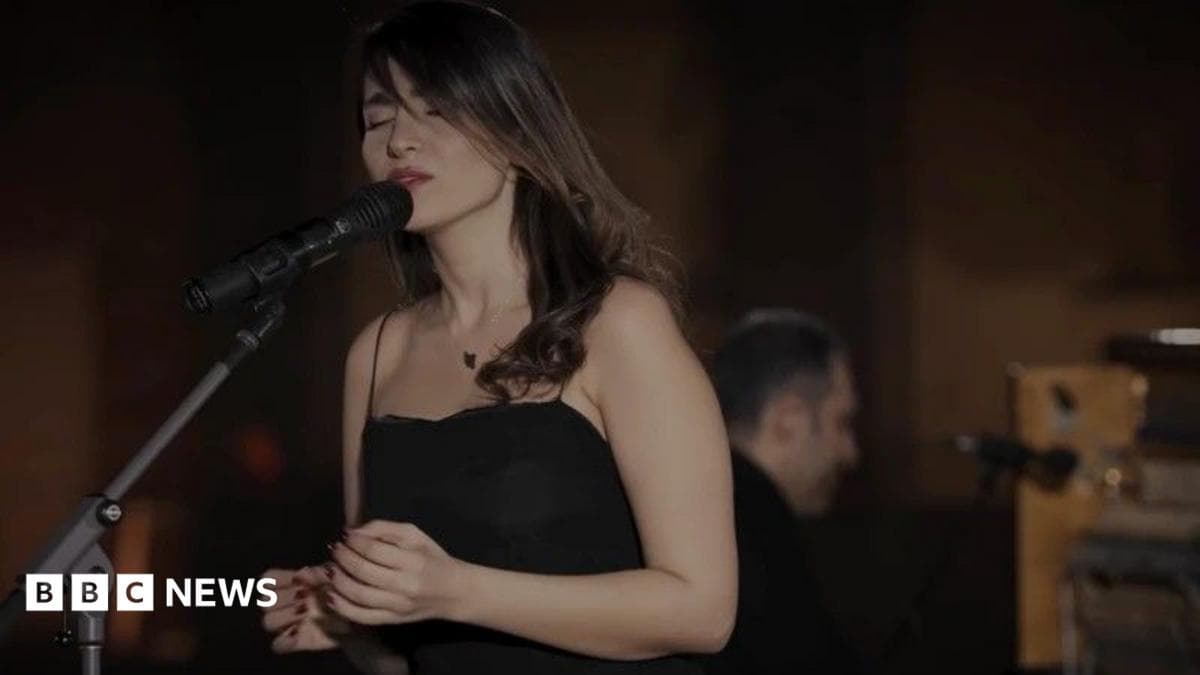
A prominent singer who performed without the mandatory hijab and four members of her band and production team have been flogged by Iranian authorities, lawyers say.
Parastoo Ahmadi, three musicians and a producer were each given 74 lashes in the city of Qom, a member of their defence team told the BBC.
Ahmadi, 29, wore a sleeveless dress during a concert that was livestreamed in December 2024. Iran's laws ban public performances by women and require them to wear headscarves and modest clothing.
This June, a criminal court in Qom convicted Ahmadi and eight others of "offending public decency" through the publication of "obscene and indecent material", which they had denied.
In addition to being sentenced to 74 lashes, they were banned from audiovisual activities and from leaving the country for two years.
At the end of September, an appeals court in Qom rejected the defendants' appeal and confirmed the sentence, her lawyers said.
There was widespread condemnation of the sentences from other Iranian artists and human rights activists, who warned that flogging constituted cruel, inhuman and degrading punishment, and violated the international prohibition on torture.
On Monday, one of the defendants' lawyers told the BBC that Ahmadi and four of her male co-defendants had been flogged at the third branch of the Criminal Sentence Enforcement Office in Qom.
"We did everything in our power to have the verdict overturned, or at least to secure a reduction in the sentence or a suspension, but it didn't work out," he said.
"The other lawyers and I even tried to get the enforcement of the sentence postponed, but the enforcement branch insisted on carrying it out immediately."
Pro-reform daily Etemad cited another defence lawyer, Mostafa Nili, as identifying the four men flogged alongside Ahmadi as Soheil Faghih-Nasiri, Amin Taheri, Amirali Pirnia and Mohsen Lashkari.
"Parastoo Ahmadi's flogging for singing and dressing as she chooses is a flagrant violation of her fundamental rights and a chilling demonstration of the Iranian authorities' determination to suppress women's freedoms and to violently punish anyone who dares to challenge their discriminatory laws and policies," said Bahar Ghandehari, director of advocacy at the US-based Center for Human Rights in Iran (CHRI).
Under Iranian law, which is based on the country's interpretation of Sharia, women and girls above the age of puberty must cover their hair with a hijab and wear long, loose-fitting clothing to disguise their figures.
In 2022, protests swept across the Islamic Republic following the death in custody of Mahsa Amini, a 22-year-old Kurdish woman who was detained by morality police in Tehran in September that year for allegedly wearing her hijab "improperly".
Women burnt their headscarves or waved them in the air at the nationwide demonstrations against the clerical establishment, during which hundreds of people were killed in a crackdown by security forces.
Since then, many women and girls have stopped covering their hair in public altogether in open defiance of the dress code. Authorities have responded with periodic waves of arrests, warnings, business closures and other measures.
In January this year, thousands of people were killed and tens of thousands were arrested when security forces crushed another wave of mass anti-establishment protests, this time sparked by the country's economic crisis.
Since the start of Iran's war with the US and Israel in late February, authorities have intensified their use of the death penalty against protesters.
According to the Norway-based group Iran Human Rights, at least 39 men convicted over January's protests and two convicted over the 2022 unrest have been executed, along with 16 people allegedly affiliated with banned opposition groups and 17 others convicted of espionage or collaborating with foreign states.
Another 121 protesters detained in January, including six women and five juvenile offenders, have been sentenced to death and are at imminent risk of execution, it says.