Mamdani announces plan to close New York's Rikers Island jail by 2032
Plans to shutter the troubled facility date back to 2019, when the city council first voted to close it but delays arose over where to place inmates.
Noticia publicada originalmente por BBC News — World en bbc.co.uk (se abre en una pestaña nueva). Minuto 24 no es autor de este contenido.
Claves de la noticia
- El alcalde de Nueva York, Zohran Mamdani, presentó un plan para cerrar el complejo penitenciario de Rikers Island antes de 2032.
- El plan contempla construir cuatro nuevas cárceles más pequeñas: una en Brooklyn para 2029, dos en el Bronx y Queens para 2031 y una en Manhattan para 2032.
- Mamdani busca reducir la población reclusa de más de 6.500 personas a unas 4.100, meta criticada por el sindicato de oficiales de prisiones de la ciudad.
- La propuesta incluye 146 millones de dólares para tratamiento de salud mental y adicciones, así como programas de formación y educación dentro y fuera de las cárceles.
- La responsable del cierre, Dana Kaplan, describió el plan como una oportunidad para diseñar un sistema de detención distinto y más adecuado.
Contexto
Rikers Island es un complejo penitenciario ubicado en una isla entre Queens y el Bronx, en Nueva York, conocido por sus condiciones deterioradas y por las muertes de reclusos registradas en sus instalaciones. Aunque la ciudad aprobó su cierre hace años, los retrasos se han acumulado por problemas logísticos sobre dónde trasladar a los detenidos. Por ello, el nuevo plan es relevante: pretende sustituir una instalación antigua por centros más pequeños y cercanos a las familias, y reducir el número de personas encarceladas. El Concejo Municipal de la ciudad debe aprobar el nuevo calendario, por lo que la propuesta aún requiere respaldo político antes de hacerse realidad.
Resumen elaborado por Minuto 24 con ayuda de inteligencia artificial a partir de la noticia publicada por BBC News — World. Puede contener imprecisiones: ante cualquier duda, consulta la fuente original.
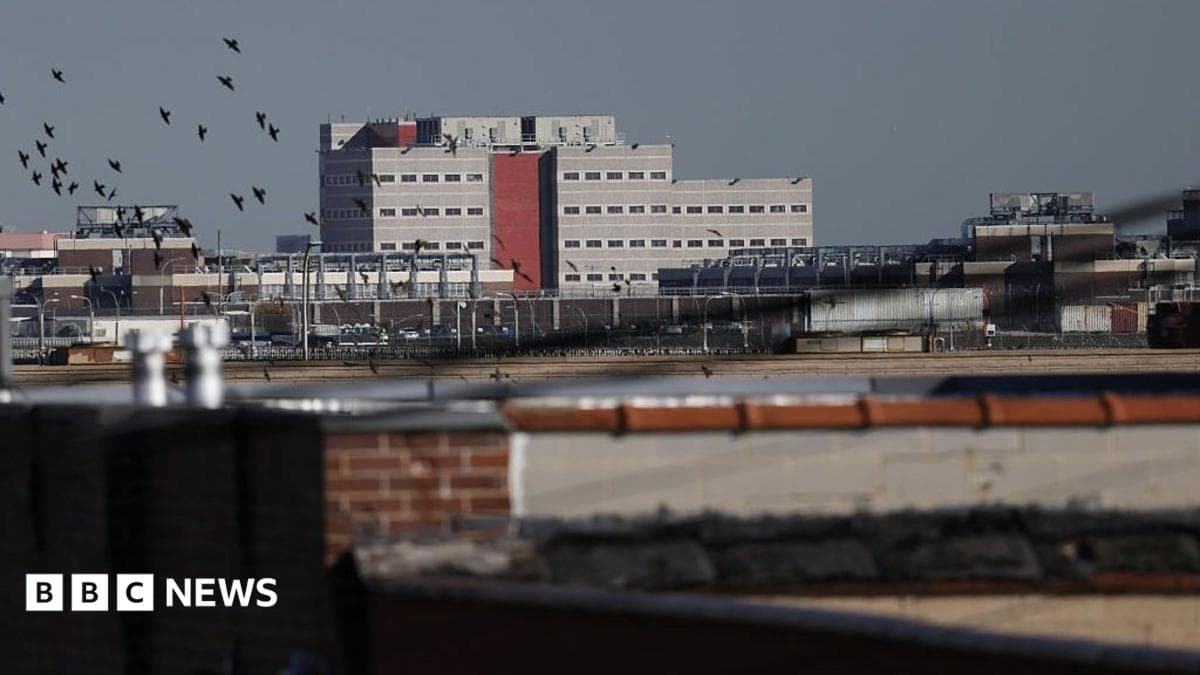
New York City's official overseeing the closure of the city's most notorious jail hopes a new plan from Mayor Zohran Mamdani will lead to "a moment of transformation" for how people are detained in the largest US city.
Mamdani on Friday unveiled a plan to close the Rikers Island complex by 2032, to build four new jails and drastically reduce the city's detainee population.
Plans to shutter the troubled facility date back to 2019, when the city council first voted to close it by this year. But plans have been delayed over the years in part due to the logistical difficulties over where to place inmates.
Dana Kaplan - who Mamdani appointed as the city's "Close Rikers Czar" told the BBC News channel on Friday that his latest proposal is not just about getting rid of a decrepit facility.
It is also a "generational opportunity" to "build a different type of detention system" and figure out how to detain people more appropriately, she said.
The Rikers Island jail complex is perched on a 413 acre (167 hectare) island between Queens and the Bronx, and has earned a variety of nicknames over the years because of its dilapidated conditions, including Gladiator School and Torture Island. The jail has housed a number of high-profile inmates awaiting trial, including Tupac Shakur, DMX and Harvey Weinstein.
It houses more than 6,500 inmates at a given time. Mamdani hopes to reduce that number to 4,100 - a goal that has been met with skepticism by the New York City correction officers' union.
"[B]uilding a new system that puts an arbitrary cap on the City's available jail beds is ill-conceived, irresponsible and jeopardizes the safety of all New Yorkers, including our Officers," NYC Correction Officers' Benevolent Association said in a statement. "The City cannot keep the jail population at around 4,100 without irresponsibly releasing individuals who committed violent felony charges."
"It's actually possible to have fewer people in jail in New York City - and that is what we should be planning for," she said.
The jail complex has long faced backlash over staffing shortages, crumbling conditions and inmate deaths in the facility, including nine this year. Legislation required the jail to be shuttered by 2027, but Mamdani blamed lags under former Mayor Eric Adams' administration as well as the Covid pandemic for the delays.
Last year, under Adams, a federal judge removed Rikers from the city's control, appointing an independent outside official to make decisions concerning the facility.
In an 88-page report released on Friday, Mamdani said Rikers was a product of "deteriorating infrastructure" and that officials had a "moral imperative" to close it.
New York City Council must approve the updated timeline, with members, including the city's speaker, indicating they support the plan.
Mamdani's office said the city would open up four new jails - one in Brooklyn by 2029, two in the Bronx and Queens by 2031 and one in Manhattan by 2032.
The mayor's office argues the new, smaller facilities will provide inmates "access to daylight, fresh air and clean space" leading to better outcomes for detainees. The facilities will be easier for families to access as well, as travel to the remote Rikers can take hours.
Mamdani said his administration would work to reduce the number of people being held in jail across New York City, including by offering alternative programmes to detention for some awaiting trial, by making it easier for families to post bail online and by trying to speed up the pretrial legal process.
He also wants to open up hundreds of beds in therapeutic housing units for prisoners with serious mental health issues.
Kaplan said Mamdani's administration had already opened 100 therapeutic beds at Bellevue Hospital in Manhattan, moving 100 people off of Rikers Island.
The proposal involves a large investments: $146m (£111m) for mental health and substance use treatment and vocational and education programming inside and outside the jails.


