Mushroom murderer Erin Patterson launches last-ditch High Court appeal
Erin Patterson is serving life in prison for poisoning her relatives with a toxic mushroom lunch in 2023.
Noticia publicada originalmente por BBC News — World en bbc.co.uk (se abre en una pestaña nueva). Minuto 24 no es autor de este contenido.
Claves de la noticia
- Erin Patterson, condenada por el asesinato de tres familiares y el intento de matar a otro tras servirles una comida con setas venenosas en 2023, ha presentado una última solicitud ante el Tribunal Superior de Australia.
- El Tribunal de Apelación de Victoria rechazó el mes pasado su recurso contra las condenas y descartó la posibilidad de libertad condicional.
- Patterson quiere que el tribunal revise tanto la condena como la sentencia, aunque el Tribunal Superior no está obligado a aceptar el caso, pues solo atiende alrededor del 10% de las apelaciones.
- El plazo de 28 días para presentar la solicitud expiró el viernes.
- Patterson alega que su juicio fue injusto por varios motivos, entre ellos un error en una reserva de hotel que alojó al jurado en el mismo lugar que la acusación, un testigo clave de la policía y la cobertura mediática; los jueces desestimaron todos ellos.
Contexto
El caso ha generado gran atención en Australia por su gravedad y por el proceso judicial prolongado. El Tribunal Superior es la máxima instancia judicial del país, y acepta revisar solo una fracción de los casos que recibe, por lo que una solicitud de este tipo no garantiza que el caso sea examinado. Según el artículo, el juez de primera instancia había fijado un periodo mínimo de 33 años antes de poder solicitar la libertad condicional, pero el tribunal de apelación lo eliminó y determinó que no debía ser liberada. Para los lectores que no conocen el caso, es relevante entender que el proceso combina cuestiones sobre la validez del juicio y sobre la severidad de la pena, que son los dos aspectos que la defensa pretende que se revisen.
Resumen elaborado por Minuto 24 con ayuda de inteligencia artificial a partir de la noticia publicada por BBC News — World. Puede contener imprecisiones: ante cualquier duda, consulta la fuente original.
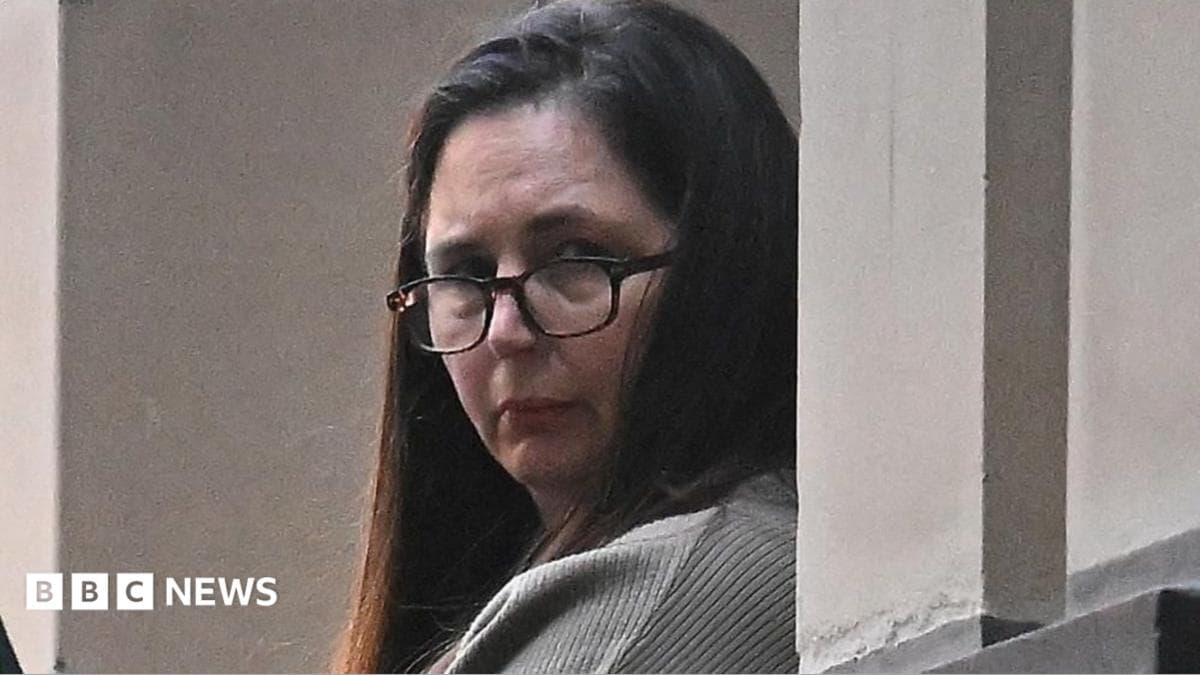
Australia's mushroom killer Erin Patterson has launched a final legal bid to overturn her murder convictions and avoid dying in jail.
Erin Patterson, 52, was last year found guilty of murdering three relatives and attempting to kill another when she served them a toxic mushroom-laced meal in 2023.
Last month, in Victoria's Court of Appeal three judges dismissed an appeal against her convictions and threw out the possibility she could be released on parole – saying her crimes were "extraordinarily cold and calculated" and had to be "denounced in the strongest terms".
She has now made a last-ditch application to the High Court to look at her case.
Patterson had 28 days to file an application for special leave to appeal to the High Court, a deadline which expired on Friday.
She wants the country's top judges to examine both her conviction and sentence - but the court does not have to agree to look at the case. It only hears appeals in about 10% of cases.
After a high-profile trial last year, a jury found Patterson guilty of murdering her in-laws, Don and Gail Patterson, and Gail's sister Heather Wilkinson, by serving them individual portions of beef Wellington containing death cap mushrooms which she had tracked down, foraged and prepared.
Patterson was also found guilty of the attempted murder of Heather's husband Ian Wilkinson, a local pastor, who also ate the toxic lunch at Patterson's home in rural Victoria.
He survived after spending weeks in hospital and has ongoing health issues due to the poisoning.
Simon Patterson, the host's estranged husband, was meant to attend the lunch but cancelled at the last minute, in part due to his belief that his wife had repeatedly tried to poison him over several years.
Patterson was sentenced last September, with the trial judge allowing a non-parole period of 33 years due to the "harsh prison conditions" she would likely face. This glimmer of hope of freedom was thrown out by the appeal judges, who ruled she should never be released.
She had argued her conviction was unsafe on seven grounds - including a hotel booking mix up which saw the jury stay in the same place as the prosecution, a key police witness and the media.
Her lawyers said this was "catastrophic" and undermined the integrity of her trial, but the appeal court judges dismissed all the grounds for appeal.