New Zealand's ruling coalition falls short of parliamentary majority by one seat
The right-leaning ruling bloc led by the National Party has fallen short of the majority needed to govern.
Noticia publicada originalmente por BBC News — World en bbc.co.uk (se abre en una pestaña nueva). Minuto 24 no es autor de este contenido.
Claves de la noticia
- La coalición gobernante de Nueva Zelanda se quedó a un escaño de la mayoría parlamentaria, según los resultados oficiales publicados el viernes.
- El Partido Nacional del primer ministro Christopher Luxon obtuvo 40 de los 130 escaños, y sus socios ACT y Nueva Zelanda Primero sumaron 13 y 12.
- Para seguir gobernando, la coalición necesita el apoyo del centrista Partido Opportunity, que obtuvo siete escaños y se ha convertido en el árbitro de la elección.
- Según el artículo, un gobierno encabezado por el Partido Laborista no es posible, ni siquiera con el apoyo de Opportunity.
- Si no se logra un acuerdo, el país podría tener que volver a las urnas; Luxon reconoció que las negociaciones serán complicadas y llevarán tiempo.
Contexto
Nueva Zelanda utiliza un sistema electoral de representación proporcional mixta, por lo que casi siempre el gobierno es una coalición de varios partidos. Esto hace que los partidos pequeños, como Opportunity en esta ocasión, puedan tener un peso decisivo al negociar. La campaña se desarrolló en un contexto de economía lenta, alto desempleo y aumento del costo de vida, factores que, según entrevistas recogidas por la BBC, han erosionado la confianza de los votantes en sus dirigentes. El artículo también señala que muchos neozelandeses se han ido del país en cifras récord, con destino principalmente a Australia. Entender este escenario ayuda a explicar por qué el resultado tan ajustado tiene consecuencias importantes para la estabilidad del gobierno.
Resumen elaborado por Minuto 24 con ayuda de inteligencia artificial a partir de la noticia publicada por BBC News — World. Puede contener imprecisiones: ante cualquier duda, consulta la fuente original.
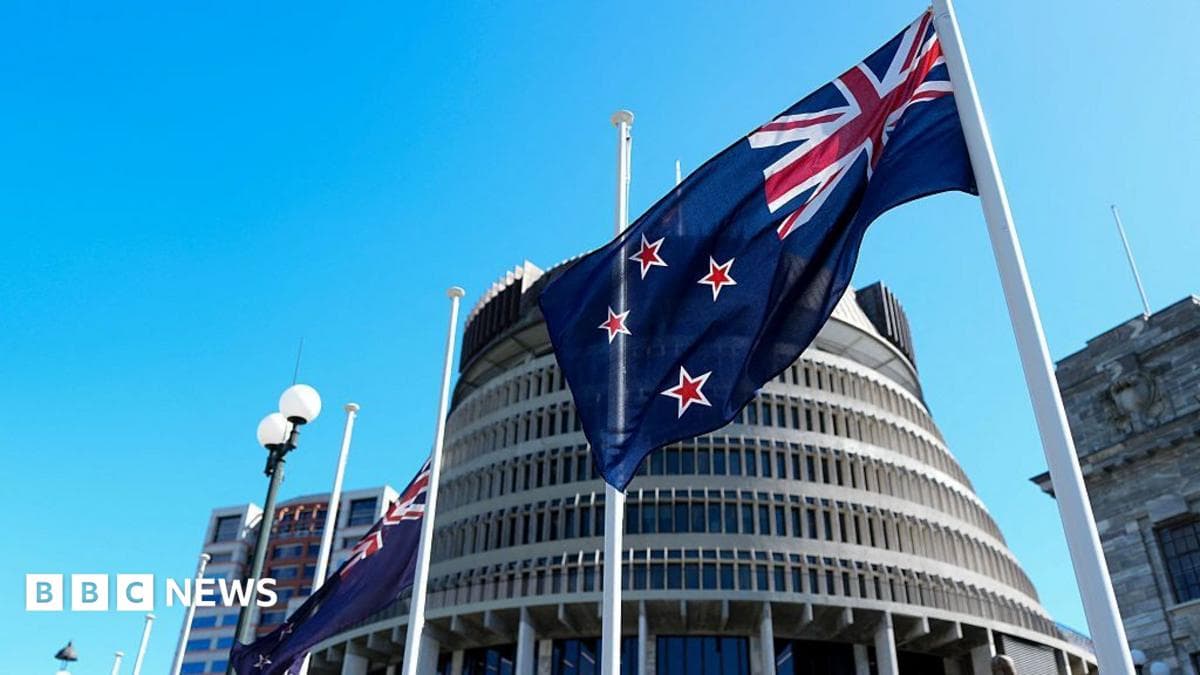
Published27 November 2026, 01:35 GMT
New Zealand's ruling coalition has fallen short of a parliamentary majority by one seat, following a campaign shaped by a sluggish economy and disillusioned voters.
It now needs the support of the centrist Opportunity Party to remain in power. If they cannot reach a deal, the country may have to go back to the polls.
The incumbent National Party led by Prime Minister Christopher Luxon secured 40 out of 130 seats, while its coalition partners ACT and New Zealand First took 13 and 12 respectively.
A government led by the centre-left Labour Party is not possible, official results on Friday show, as the bloc would not have enough seats even if Opportunity threw its weight behind it.
Luxon on Friday acknowledged that negotiations "may be challenging" and will take some time.
"Kiwis won't thank us for rushing to an agreement that falls apart or for sending them back to the polls," he told reporters.
Labour secured 36 seats, The Greens took 17, while Te Pāti Māori, which represents Māori interests, picked up five.
Opportunity, which has been described as this election's kingmaker, secured seven seats. Opportunity's leader Qiulae Wong told reporters her party will negotiate with National, but that all options remain on the table.
"There are seven parties in parliment and everyone is responsible for making sure we do everything we can to deliver a stable government for New Zealand. It's not just up to us," she said on Friday.
Preliminary results on 7 November, election day, had projected that National combined with its coalition partners would have a slim lead over the left-leaning bloc.
But today's official tally shows it had lost two seats on special votes - cast by citizens who were overseas or outside of their registered electorate on election day - which typically skew left.
Some of National's key election pledges include lower taxes, cheaper energy, more renewable generation, and a greater focus on defence.
Labour, meanwhile, had campaigned to cut healthcare, public transport and fuel costs, more government support for social housing, among other things.
New Zealand's mixed-member proportional voting system means most governments are coalitions. Each voter makes two choices – for the representative of their constituency in parliament and a political party.
In earlier interviews with the BBC, many voters had expressed frustration over spiralling costs of living and high unemployment across the country, with declining faith in their political leadership.
"There's this kind of apathy and a bit of dread," said 21-year-old Imogen Vlutger.
A 40-year-old man said he didn't vote as he could not bring himself to tick any of the boxes on the ballot paper.
More than half of the country no longer see New Zealand as a land of opportunity, according to a survey by the Helen Clark Foundation, a public policy think tank.
Kiwis have been leaving the country in record numbers, with many of them, including former prime minister Jacinda Arden, moving to Australia.


