Nigeria moves to end jail terms for attempted suicide
Nigeria's proposed reform follows years of calls from psychiatrists and a parallel Senate bill.
Noticia publicada originalmente por BBC News — World en bbc.co.uk (se abre en una pestaña nueva). Minuto 24 no es autor de este contenido.
Claves de la noticia
- El presidente nigeriano, Bola Tinubu, pidió al Parlamento despenalizar el intento de suicidio y sustituir la prisión por atención médica para quienes sobreviven.
- Un proyecto distinto para despenalizar el intento de suicidio ya superó la segunda lectura en el Senado, impulsado por el senador Asuquo Ekpenyong.
- Actualmente, la ley nigeriana castiga el intento de suicidio con hasta un año de prisión, una multa o ambas.
- El presidente del Senado, Godswill Akpabio, acogió la propuesta de Tinubu y aclaró que sus declaraciones previas no aplican a personas con problemas de salud mental.
- Tinubu remitió su proyecto de enmienda a la comisión senatorial correspondiente para su estudio posterior.
Contexto
Nigeria es el país más poblado de África y su sistema legal conserva normas heredadas de la etapa colonial británica, entre ellas la penalización del intento de suicidio. Durante años, profesionales de la salud mental han pedido cambiar esa norma, con el argumento de que castigar a quienes sobreviven puede disuadir a quienes tienen pensamientos suicidas de buscar ayuda y llevar a las familias a ocultar los casos. El debate forma parte de una tendencia regional: Ghana despenalizó el intento de suicidio en 2023 y un tribunal de Kenia consideró inconstitucional la ley equivalente en 2025. La discusión en Nigeria se encuentra en una fase inicial, pues ambos proyectos deben seguir su trámite parlamentario antes de convertirse en ley.
Resumen elaborado por Minuto 24 con ayuda de inteligencia artificial a partir de la noticia publicada por BBC News — World. Puede contener imprecisiones: ante cualquier duda, consulta la fuente original.
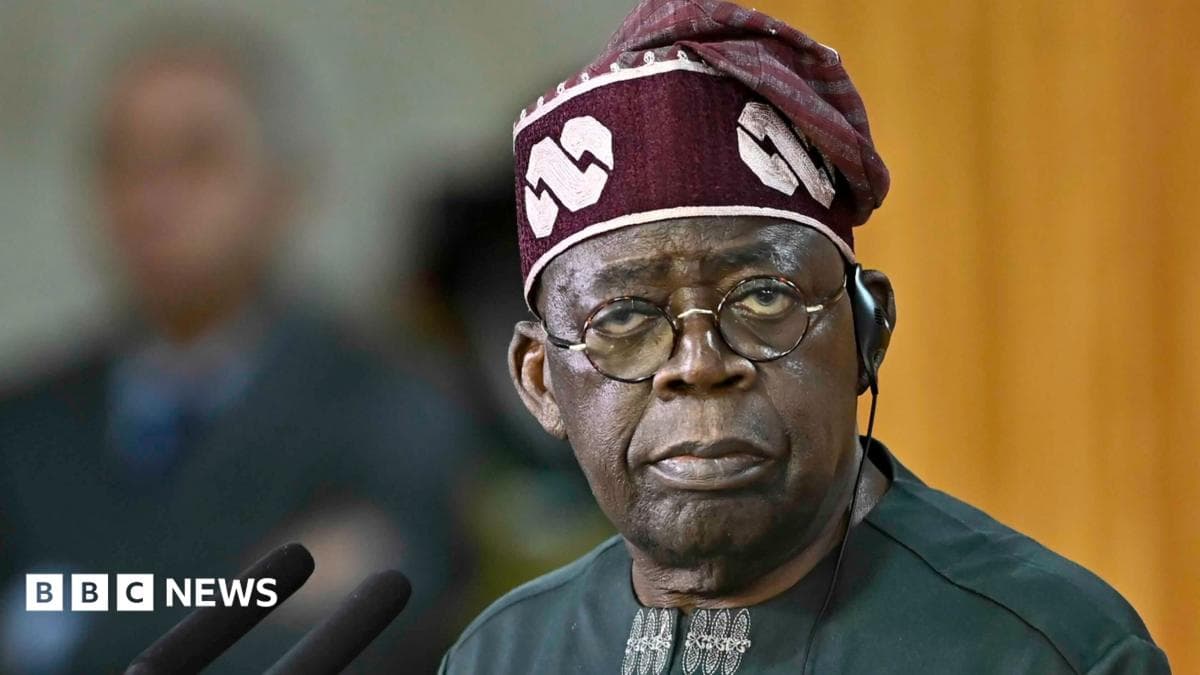
Nigerian President Bola Tinubu has asked parliament to decriminalise attempted suicide, proposing medical support instead of prosecution for those who survive.
The proposal seeks to shift Nigeria's approach from criminal punishment to treatment and rehabilitation.
It follows years of calls for reform from mental health professionals. A separate bill seeking to decriminalise attempted suicide has already passed its second reading in the Senate.
Under Nigeria's law, attempted suicide is a criminal offence with those convicted facing up to one year's imprisonment, a fine or both.
The Senate bill also seeks to replace criminal penalties for attempted suicide with medical treatment, rehabilitation and support.
It was sponsored by Senator Asuquo Ekpenyong, who has argued that prosecuting people who survive suicide attempts could discourage those experiencing suicidal thoughts from seeking help.
He also warned that families might conceal such incidents for fear of prosecution and social stigma.
He stressed that the bill is not aimed at legalising or encouraging suicide attempts but rather protecting the survivors.
Tinubu's proposal has been welcomed by Senate President Godswill Akpabio, who had previously suggested that people who survived suicide attempts should be sent to prison.
"We are saying that suicide is a crime for now. Therefore, if you attempt it, we will send you to prison," Akpabio had said.
However, after receiving the Tinubu's proposal, he sought to clarify his earlier remarks, saying they did not apply to people experiencing mental health conditions.
He added that punishing people whose actions were influenced by mental health conditions would be insensitive.
Tinubu's letter follows sustained calls from mental health professionals for the law to be changed.
At a parliamentary public hearing in May 2024, the then president of the Association of Psychiatrists of Nigeria, Professor Taiwo Obindo, urged lawmakers to remove criminal penalties for attempted suicide.
"Why do we, as a nation, then punish individuals who are ill and need medical attention rather than prosecution?" he asked.
Drawing on his experience as a psychiatrist, Obindo said most people who die by suicide have a history of mental illness.
Akpabio has referred the president's amendment bill to the relevant senate committee for further consideration.
Nigeria is among several African countries where attempted suicide remains a criminal offence.
Ghana decriminalised attempted suicide in 2023, while Kenya's High Court ruled in January 2025 that the law criminalising it was unconstitutional.
If you have been affected by any of the issues in this story, help and support is available at BBC Action Line.