Flights grounded in Belgium due to strike against austerity measures
A series of strikes have hit Belgium in recent months as the prime minister struggles to agree a budget to cut costs.
Noticia publicada originalmente por BBC News — World en bbc.co.uk (se abre en una pestaña nueva). Minuto 24 no es autor de este contenido.
Claves de la noticia
- Cientos de vuelos han sido cancelados en Bélgica por una huelga contra las medidas de austeridad previstas por el Gobierno.
- Los aeropuertos de Zaventem, en Bruselas, y Charleroi han suspendido todo el tráfico aéreo debido a la huelga de controladores aéreos.
- En Bruselas también se han detenido trenes y metro, mientras se espera una gran marcha de protesta.
- El primer ministro Bart De Wever no ha logrado acordar con sus socios de coalición un presupuesto para recortar gastos.
- Los sindicatos piden impuestos a la riqueza y critican los planes de recorte de pensiones, sanidad y festivos en fin de semana.
Contexto
Bélgica atraviesa un período de tensión política por la necesidad de reducir el gasto público y equilibrar sus cuentas. El primer ministro Bart De Wever dirige una coalición de cinco partidos, y la falta de acuerdo presupuestario ha llevado a los sindicatos a convocar protestas. El rey Felipe rechazó recientemente la dimisión del primer ministro, lo que le dio más tiempo para negociar. Las medidas de austeridad afectan a servicios públicos como el transporte, las escuelas y la sanidad, por lo que la huelga tiene un impacto amplio en la vida cotidiana de los ciudadanos. La noticia es relevante porque muestra el coste social de estos ajustes y el debate sobre quién debe asumirlos.
Resumen elaborado por Minuto 24 con ayuda de inteligencia artificial a partir de la noticia publicada por BBC News — World. Puede contener imprecisiones: ante cualquier duda, consulta la fuente original.
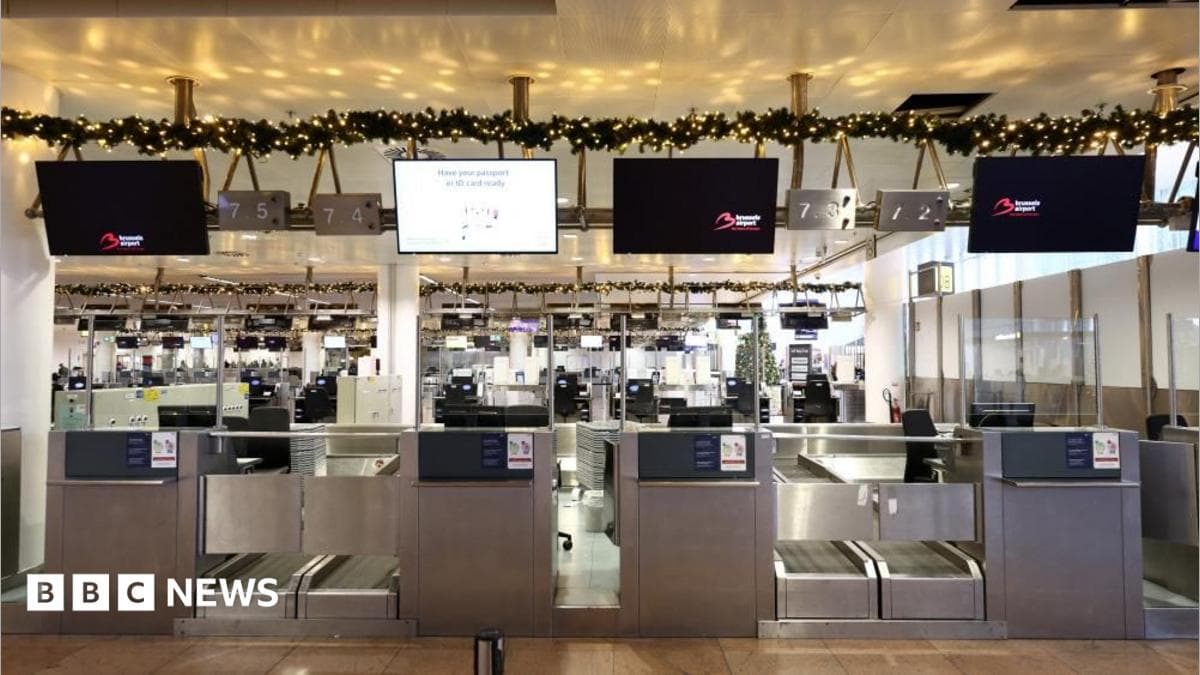
Hundreds of flights have been cancelled and train services have been severely disrupted across Belgium as a result of a strike against planned austerity measures.
All air traffic has been halted in Zaventem airport in the capital, Brussels, as well as Charlerois, home to low-cost airlines such as Ryanair.
Trains and underground services have also been halted in Brussels where large numbers of people are expected to join a protest march.
The protest comes as Prime Minister Bart De Wever has so far failed to agree a budget to cut costs with his coalition allies. King Philippe declined his resignation earlier this month, giving De Wever more time to negotiate.
No flights are taking off or landing at Brussels Airport between 07:00 and 21:00 local time (06:00-20:00 GMT) as a result of the strike by air traffic controllers. More than 50,000 travellers' plans were being disrupted - with more expected to be affected overnight and on Tuesday.
A similar situation has affected Charlerois, where all flights were shown as "scheduled", regardless of the time of departure of arrival.
"Without air traffic control, no flights can take off or land," the airport said on Saturday when the strike action was announced, warning of "disastrous consequences".
As thousands descended on Brussels for the protest march, the leader of one of the country's main unions, FGTB, said the government had alternatives to "dismantling the social protection system".
"A genuine wealth tax, fair taxation, and the elimination of tax loopholes," Bert Engelaar, head of FGBT, said.
"Political responsibility is not about keeping a government afloat at all costs. It's about knowing when to stop," Engelaar said, praising the left-wing Vooruit party - the only member of the five-party governing coalition reported to have stalled efforts to agree the budget.
Vooruit wants to raise taxes on the rich, and fewer cuts to pensions and the health sector.
Another union leader, Ann Vermorgen of the CSC, criticised government plans to cut bank holidays when they fall on weekends.
Public transport, schools and other public services are also facing disruptions.