Nvidia scandal fallout widens as Trump's treasury secretary blames cabinet colleague
Scott Bessent suggests Howard Lutnick’s commerce department failed to ban exports of Nvidia's chips to a firm thought to have links with China.
Noticia publicada originalmente por BBC News — World en bbc.co.uk (se abre en una pestaña nueva). Minuto 24 no es autor de este contenido.
Claves de la noticia
- El secretario del Tesoro estadounidense, Scott Bessent, culpó al Departamento de Comercio, dirigido por Howard Lutnick, de no supervisar adecuadamente la exportación de chips avanzados de Nvidia.
- Bessent afirmó que varias agencias estaban a favor de incluir a Megaspeed en la lista de entidades, pero que Comercio tiene la última palabra y retrasó la medida.
- Jensen Huang fue destituido como consejero delegado de Nvidia tras conocerse una relación con una empresaria vinculada a Megaspeed, a quien se sospecha que era espía chino.
- Lutnick deberá comparecer ante el Comité Bancario del Senado el próximo mes, y otros comités han pedido conservar los registros relacionados con Nvidia y Huang.
- Bessent también señaló a Nvidia, pidiendo que se determine si la empresa conocía a sus clientes y si hubo esfuerzos suficientes para evitar filtraciones de chips a China.
Contexto
La polémica surge en torno a los controles de exportación de semiconductores avanzados, un asunto clave para la competencia tecnológica entre Estados Unidos y China en inteligencia artificial. Nvidia es el principal fabricante de chips para IA, por lo que cualquier sospecha sobre desvíos hacia China tiene implicaciones económicas y de seguridad nacional. El Departamento de Comercio es el organismo que decide qué empresas se incluyen en listas restringidas. Los comités del Congreso estadounidense, tanto republicanos como demócratas, han iniciado revisiones para determinar cómo se autorizaron las ventas. Según el artículo, el caso ha generado presión política transversal sobre la Casa Blanca y sus funcionarios.
Resumen elaborado por Minuto 24 con ayuda de inteligencia artificial a partir de la noticia publicada por BBC News — World. Puede contener imprecisiones: ante cualquier duda, consulta la fuente original.
Published13 November 2026, 15:04 GMT
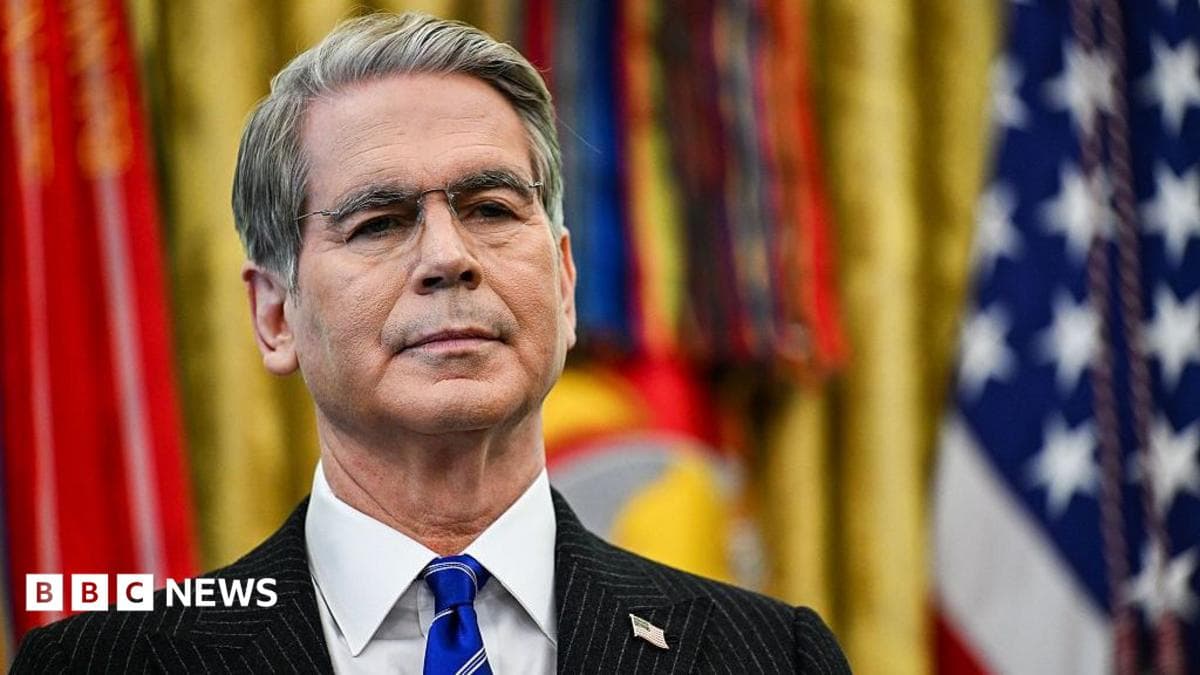
US Treasury Secretary Scott Bessent has blamed the Commerce Department, run by Howard Lutnick, for failing to properly oversee the export of high-spec Nvidia chips, as the fallout from the scandal widens.
There is growing pressure on Lutnick across the political spectrum to explain his department's actions.
Jensen Huang was ousted as Nvidia CEO after revelations he had an affair with a businesswoman who was also allegedly a Chinese spy.
Megaspeed, the firm she worked for, had been probed by US government agencies over suspicions it had been smuggling Nvidia chips into China, reports said, but is not on a list of firms that US companies are prevented from working with.
Bessent told CNBC several agencies "were in favour of putting Megaspeed on the entity list for months".
"But Commerce has the pen... and you will have to ask them about their internal process," he added.
Bessent's comments come after Lutnick was called to testify before the Senate Banking Committee next month over the Commerce Department's role in allowing Nvidia to export its advanced chips.
Other congressional committees have asked both Lutnick and his department to retain all records relating to Nvidia and Huang.
Bessent said he was "frustrated" by delays in putting the company on the export control list and reports of leakage of AI chips into China.
"President Trump made it very clear that China should not receive any Nvidia chips above H100s, so any leakage is very frustrating because it hurts our great companies in the AI race, because it gives the Chinese an advantage," he said.
Last year, the Commerce Department had been investigating Megaspeed over suspicions it had been smuggling some of Nvidia's advanced AI chips into China, according to the New York Times. Megaspeed has been contacted for comment.
There was also pressure on the Commerce Department to add it to the list, but separate reporting in the Financial Times said the department was delaying efforts to have the cloud computing firm included.
However, Bessent also pointed the finger at Nvidia.
"The story has been thus far of Jensen Huang's personal foibles," he told CNBC's Squawk Box programme, external.
"The real story here should be: Did Nvidia know their client, and was there a robust effort at Nvidia to make sure that there was no leakage and that they were selling to what were obviously pass-through shell companies?
"It's important that anyone at the company there be held accountable for that."
How a sex scandal at Nvidia is putting pressure on the White House
How AI visionary Jensen Huang was undone by his own bad decisions
Huang has been summoned to testify before the Senate Banking Committee about his affair with the former Megaspeed executive, who is suspected of being a Chinese spy.
The Commerce Secretary has also been summoned to appear before the committee in December.
"Recent reports raise serious concerns about our national security and the protection of sensitive US technology," committee chairman, Republican Senator Tim Scott posted on X.
Democrats on key congressional committees have asked the Commerce Department and Lutnick to keep all records relating to decisions to allow Nvidia to sell its advanced AI chips to Chinese companies, including all their communications with or about Nvidia and Jensen Huang.
Ways and Means Committee Ranking Member Richard E. Neal and Senate Finance Committee Ranking Member Ron Wyden are starting investigations into the way Nvidia was allowed to sell these chips.
According to Neal and Wyden, Nvidia's advanced H200 chips could be sold to Chinese firms if they were first imported from their manufacturing facility in Taiwan into America for inspection.
A 25% tariff - a levy that is paid to the federal government - was imposed on those chips, under a section of the Trade Act that Neal and Wyden say is meant to allow the US president to take action against imports that risk national security.
"Trump's use of the statute appears to have done the opposite, undermining US national security and putting Americans at risk," they said.


