Suspected bomb hoax threats force fresh evacuations of Italian schools
Noticia publicada originalmente por BBC News — World en bbc.co.uk (se abre en una pestaña nueva). Minuto 24 no es autor de este contenido.
Claves de la noticia
- Unos 1.800 colegios de Italia, desde Milán hasta Sicilia, comunicaron amenazas de bomba por segundo día consecutivo, aunque no se ha encontrado ningún artefacto.
- El gobierno italiano aconsejó no evacuar edificios si solo existe un correo masivo que indique peligro, sin pruebas concretas.
- Una amenaza similar se envió a 6.300 de los 7.476 colegios estatales italianos el miércoles, firmada por un supuesto "Mikhail Andropov", y algunos funcionarios sostienen que se originó en Taiwán.
- La primera ministra Giorgia Meloni habló de "una estrategia destinada a causar alarma y preocupación".
- Según La Repubblica, hubo protestas contra una directora de un instituto de Roma que no actuó porque consideró falsa la amenaza al detectar errores tipográficos.
Contexto
Las amenazas de bomba falsas, conocidas como bulos o hoaxes, consisten en mensajes que simulan un peligro real para provocar evacuaciones y caos sin que exista un explosivo. Este episodio se suma a una serie de avisos similares la semana anterior contra aeropuertos y aerolíneas de varios países europeos. Escuelas de Escocia e Irlanda del Norte también recibieron amenazas el miércoles, aunque no está claro si los incidentes están relacionados. Además, un grupo extremista misógino se atribuyó algunas de las amenazas, pero después negó cualquier vínculo con ellas. Para las familias, la falta de claridad sobre el origen y la gravedad de los mensajes genera inquietud y reclamos de directrices nacionales.
Resumen elaborado por Minuto 24 con ayuda de inteligencia artificial a partir de la noticia publicada por BBC News — World. Puede contener imprecisiones: ante cualquier duda, consulta la fuente original.
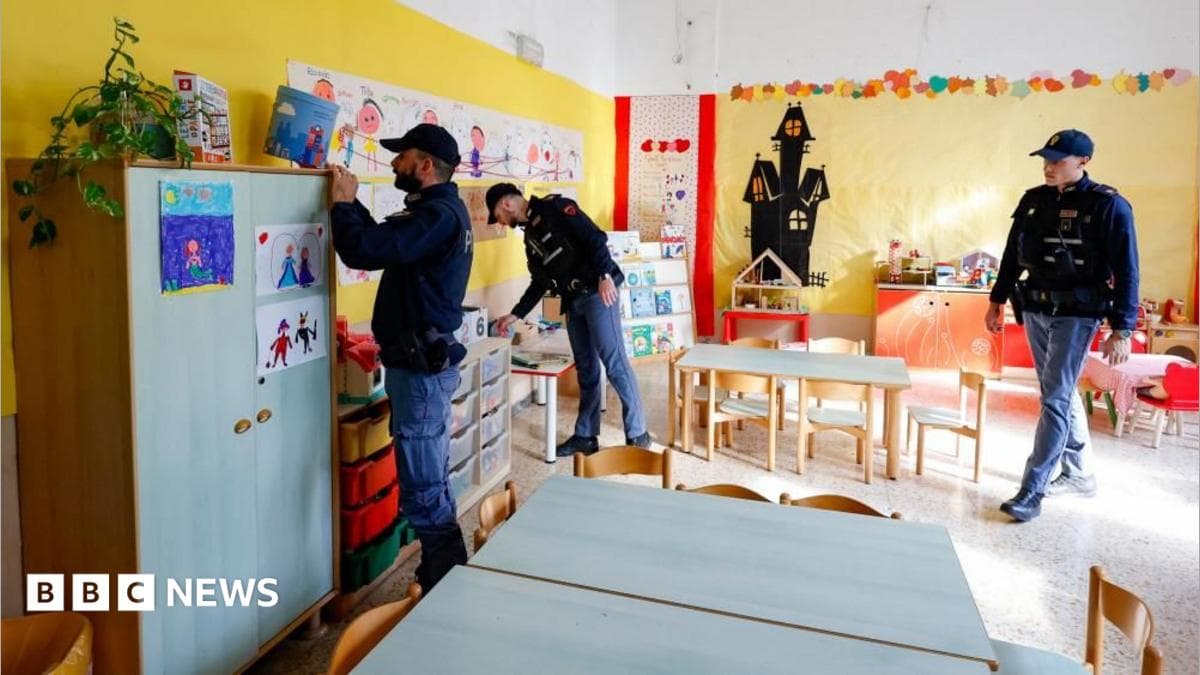
Schools across Italy have received bomb threats for the second day in a row, sparking fresh panic and evacuations.
Some 1,800 schools, from Milan in the north to Sicily in the south, reported receiving a similar threat to one that created chaos in Italy on Wednesday - even though no devices have been found anywhere.
The Italian government has advised schools that "in the absence of concrete evidence beyond the simple receipt of a mass email indicating a danger, buildings must not not be evacuated".
Schools in Scotland and Northern Ireland received threats on Wednesday, too. It is unclear whether the incidents are connected.
On Thursday morning, a bomb alert at a Calais rail station delayed international and national train services in northern France.
The latest incidents follow a series of bomb hoaxes last week against airports and airlines in a number of European countries.
Although a number of threats were claimed by an extremist misogynistic group, it later denied any link to the false warnings.
Wednesday's email threat - sent to 6,300 out of a total of 7,476 Italian state schools - was said to be from a certain "Mikhail Andropov, leader of Vilayat di Misoginistan".
Some officials say it originated in Taiwan.
A similar message sent to Italian schools on Thursday, again signed by Mikhail Andropov, is said to have been sent from the account of a teacher in the Philippines whose account is believed to have been hacked.
Prime Minister Giorgia Meloni has spoken of "a strategy intended to cause alarm and concern".
No risk to public from hoax school bomb threats, says government minister
Police treating threatening email sent to more than 300 schools as 'hoax'
Many parents, though, are concerned and have been demanding clarity and action from the government.
La Repubblica newspaper reports that protests have been held against a decision by the headmaster of a secondary school in Rome who did not take any action, saying she had realised the threatening message to contain typos and therefore be "fake".
According to the newspaper, protesters want new national guidelines to be issued.