Florida pastor found guilty over role in assassination of Haitian president
Christian Emmanuel Sanon is convicted of involvement in the plot that resulted in the killing of Jovenel Moïse.
Noticia publicada originalmente por BBC News — World en bbc.co.uk (se abre en una pestaña nueva). Minuto 24 no es autor de este contenido.
Claves de la noticia
- Un pastor de Florida, Christian Emmanuel Sanon, fue declarado culpable de los ocho cargos que enfrentaba por su papel en el asesinato del presidente haitiano Jovenel Moïse.
- Sanon, de 67 años y con doble nacionalidad estadounidense y haitiana, podría enfrentar cadena perpetua; su abogado dice que es inocente y que apelará.
- Según la fiscalía, Sanon planeaba reemplazar a Moïse en la presidencia en 2021, y los acusados le habrían prometido contratos a una empresa de seguridad con sede en Florida.
- El plan pasó de forzar la salida de Moïse a asesinarlo, y un grupo de mercenarios colombianos mató al presidente en su residencia en julio de 2021.
- El veredicto llegó tras un juicio de ocho semanas en un tribunal federal de Miami; cuatro hombres, incluidos los responsables de la empresa CTU, ya habían sido condenados.
Contexto
El asesinato de Moïse dejó a Haití sin líder desde hace cinco años, en un país que ya era el más pobre de América y que sufre desde hace años la violencia de las pandillas. Esa inestabilidad se ha agravado, y una fuerza multinacional desplegada para ayudar ha tenido dificultades para llegar a las zonas controladas por los grupos armados. Está prevista una elección presidencial para el próximo año, y la viuda del mandatario, Martine Moïse, herida en el ataque, anunció que pretende postularse. Este veredicto en Estados Unidos es parte de la rendición de cuentas por un crimen que ha expuesto graves fallas de seguridad en el entorno presidencial haitiano y que sigue marcando la vida política del país.
Resumen elaborado por Minuto 24 con ayuda de inteligencia artificial a partir de la noticia publicada por BBC News — World. Puede contener imprecisiones: ante cualquier duda, consulta la fuente original.
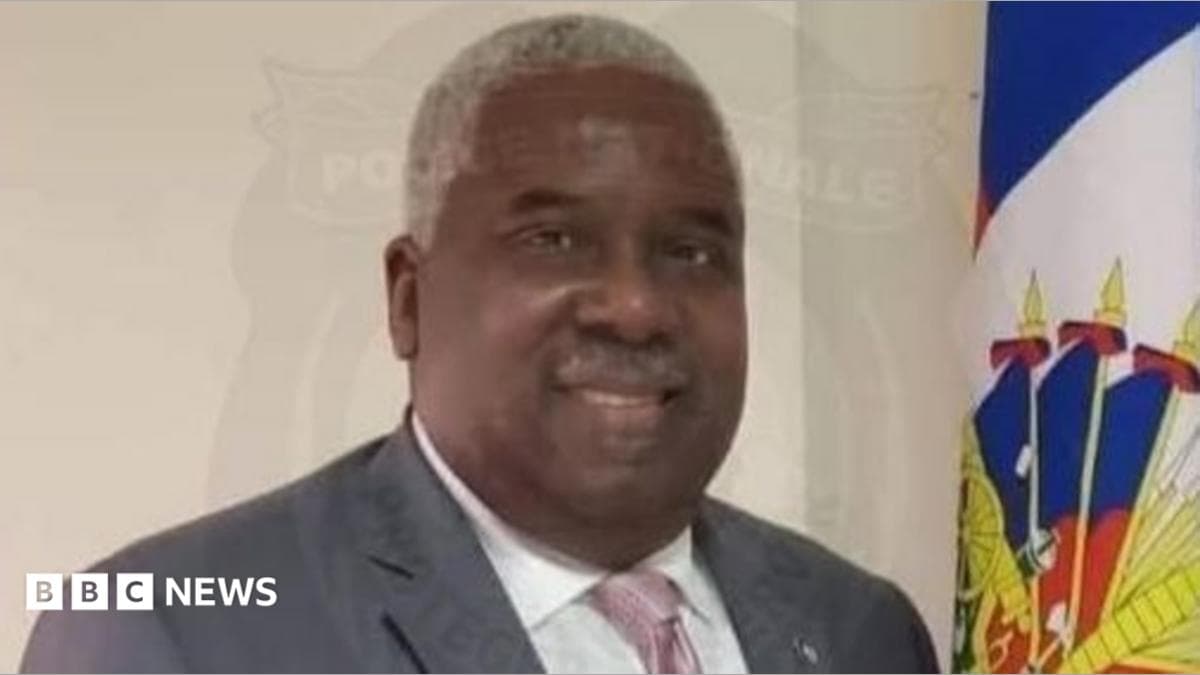
A Florida pastor has been found guilty of a number of charges relating to the assassination of the Haitian President Jovenel Moïse.
Christian Emmanuel Sanon, a dual US-Haitian national, was convicted of all eight charges against him, including conspiracy to kill or kidnap a person. He faces a potential sentence of life in prison.
The 67-year-old was accused of being involved in a plot to replace Moïse as Haiti's president with himself in 2021, allegedly so he could award lucrative contracts to a Florida-based security outfit once in place.
The murder of Moïse has left Haiti without a leader for five years. That political vacuum has intensified gang violence in the impoverished Caribbean nation.
A presidential election is scheduled for next year and Moïse's wife, Martine, who was injured in the attack that killed her husband, announced this week that she intended to stand.
Sanon was found guilty on Wednesday following an eight-week trial in federal court in Miami, according to CBS, the BBC's US partner. His lawyer said he maintains his innocence and that he intends to appeal against the verdict, it reports.
Prosecutors said Sanon had "political aspirations" in Haiti and, in April 2021, met several other co-conspirators to devise a plan to oust Moïse in an armed raid on the presidential palace in the capital, Port-au-Prince.
Among them were the heads of the companies Counter Terrorist Unit Federal Academy and Counter Terrorist Unit Security - collectively referred to as CTU - who would finance the coup in exchange for government contracts for infrastructure projects, and to provide security forces and equipment.
A few months later, the other conspirators realised that Sanon had "neither the constitutional qualifications nor the popular support" to become Haiti's president and so shifted to another candidate, the US Department of Justice said.
At the same time, the plot had developed from one to forcibly remove Moïse from office to assassinating him, investigators said.
Dozens of people have been implicated in the conspiracy, which prosecutors said involved co-ordinating funding for and delivering weapons and mercenaries to Haiti to carry out the attack.
On 6 July that year, a group of Colombian mercenaries entered the presidential palace and killed Moïse. His wife, who was also injured in the attack, said at the time that the assailants had "riddled" her husband with bullets.
The successful assassination plot raised questions in Haiti about the relative ease with which the mercenaries were able to gain access to the president.
The country - the poorest in the Americas - has been ravaged by gang violence for years, but Moïse's assassination ushered in a period of worsening instability that emboldened gangs and prompted the deployment of a multinational force.
However, this has struggled to penetrate areas where gangs hold sway and more than 5,700 people have been killed or injured in the year to 11 September, the UN said last month.
Sanon and several other co-conspirators were arrested by Haitian authorities, while three mercenaries were killed in a gun battle with police. Eighteen people were transferred to Florida in September to stand trial over the plot.
Four men, including the heads of the CTU, were convicted of their role earlier this year. Sanon had been scheduled to be tried with them, but his case was delayed due to health reasons, according to CBS.
Sanon was born in Haiti but moved to the US as a teenager. He told the court he had worked in churches in Haitian immigrant communities in several parts of the US including Florida, US media report.