Susan Smith denied parole again 32 years after drowning her two sons
At a hearing on the possibility of parole, Smith said she wished she could change the past, and her two children "did not deserve to die".
Noticia publicada originalmente por BBC News — World en bbc.co.uk (se abre en una pestaña nueva). Minuto 24 no es autor de este contenido.
Claves de la noticia
- Susan Smith, de 55 años, volvió a ser rechazada para la libertad condicional en Carolina del Sur, 32 años después de ahogar a sus dos hijos.
- La junta de siete miembros rechazó por unanimidad su solicitud, tras una audiencia en la que varias personas se opusieron a su liberación.
- Smith dijo durante la audiencia que había cambiado y que lamentaba profundamente lo ocurrido, aunque sostuvo que el crimen no se debió a un hombre.
- David Smith, padre de los niños, asistió a la audiencia y afirmó que concederle la libertad sería una gran injusticia para sus hijos.
- Smith puede volver a solicitar la libertad condicional cada dos años, según la normativa del estado.
Contexto
El caso de Susan Smith es uno de los crímenes más conocidos de Carolina del Sur. Fue condenada por asesinato tras admitir que sus dos hijos murieron en un lago en 1994, cuando ella dejó su coche con los niños sujetos a las sillas dentro. Antes de confesar, había afirmado que había sufrido un secuestro de su vehículo. En Estados Unidos, algunos condenados pueden optar a la libertad condicional, decisión que toman juntas estatales específicas. Por ello, cada nueva solicitud reabre el debate sobre el perdón, la justicia para las víctimas y la posibilidad de rehabilitación de quienes cometieron delitos graves.
Resumen elaborado por Minuto 24 con ayuda de inteligencia artificial a partir de la noticia publicada por BBC News — World. Puede contener imprecisiones: ante cualquier duda, consulta la fuente original.
Published19 November 2026, 15:59 GMT
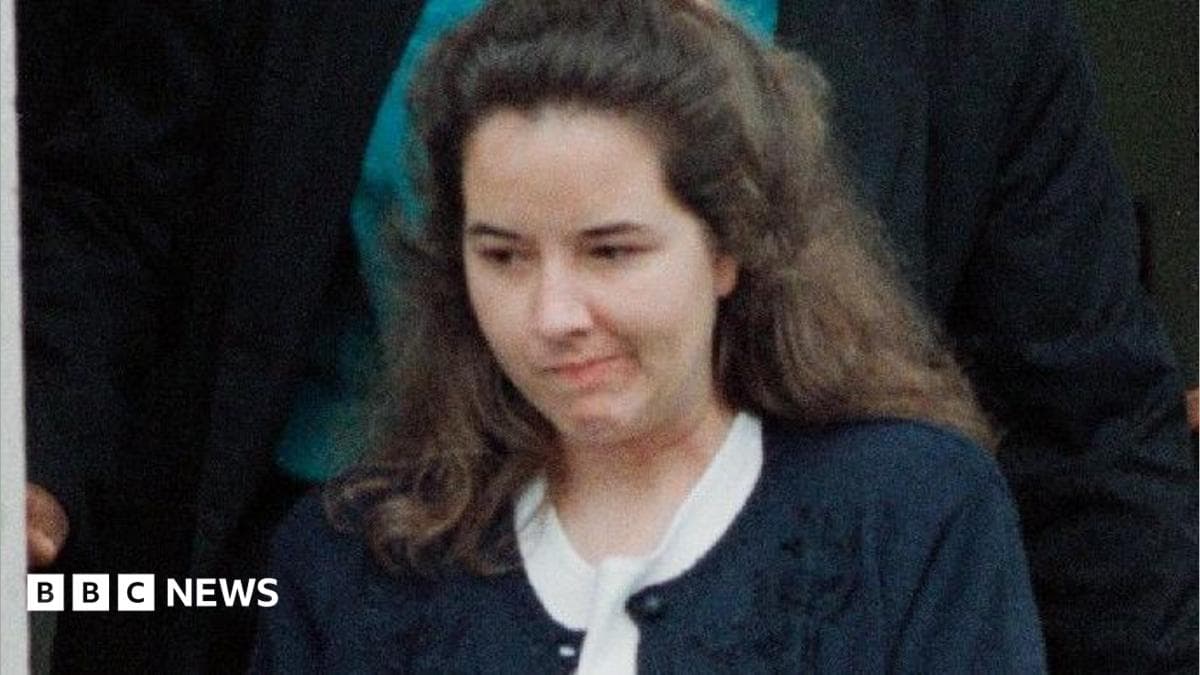
A South Carolina woman who admitted to drowning her two sons 32 years ago has been denied parole for a second time.
Susan Smith, 55, was convicted of killing her boys by strapping them into their car seats and rolling her vehicle into a lake in 1994.
"I got to my lowest when I let that car go into that lake," Smith said during a hearing on Thursday with the state board that decides whether to release those in prison on parole.
The seven-member board later unanimously turned down her request to be freed. The father of the two boys has vowed to continue to oppose her release, and several people spoke against her in the hearing.
Smith, whose lawyers had argued she suffered a mental breakdown during the crime, can apply to the South Carolina Board of Probation, Parole and Pardon Services for parole every two years.
She told the board that she had changed and matured since killing three-year-old Michael and one-year-old Alex, and that "I am not the same person I was 32 years ago".
She also said she was "very, very sorry" and that she would go back and change the circumstances if she could.
"They were innocent children," Smith said. "They did not deserve to die."
Her children's father, David Smith, attended the hearing so he could advocate for their sons, he said.
The 32 years, he said, do not take away what Smith "deliberately" did.
"I know in my heart granting her parole would be a huge injustice to Michael and Alex," said David Smith, who had pinned a photo of both his sons to his lapel.
Prosecutors argued during the trial that Smith killed the boys after a man with whom she was having an affair told her that her sons were the reason that the pair did not have a future together.
At Thursday's hearing, Smith said: "This did not happen because of a man. That's just not true."
When the boys first disappeared, Smith said she was carjacked late at night and a man drove away with her car. While she pleaded publicly for their safe return, her sons were at the bottom of a nearby lake.
But ultimately she confessed to the crime.
Defence lawyers said she had wanted to die with her children but left the car at the last minute.
Smith was convicted of murder. Under South Carolina law at the time, she was allowed to request parole every two years after serving 30 years in prison.
In the US, some people convicted of crimes are eligible for parole, which means they can be released from incarceration.
She would have needed two-thirds of the board members present to vote in her favour to be freed.